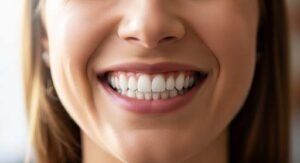
The Psychology of a Smile: How Teeth Control First Impressions
A smile is often the first thing people notice—and one of the most powerful forms of nonverbal communication. In social interactions, job interviews, relationships, and even casual meetings, your smile can determine how others perceive you within seconds. But what many people don’t realize is just how strongly teeth influence the psychology behind first impressions.
While confidence, warmth, and friendliness are communicated through the act of smiling itself, the appearance of your teeth significantly affects how trustworthy, healthy, attractive, and approachable you appear. In a world where human interaction is shaped by subtle cues, your smile has the potential to open doors—or close them.
This is why psychologists, dentists, and behavioral scientists agree: our teeth play an outsized role in shaping how others see us.
Why Smiles Matter More Than Words
Research shows that people form first impressions in as little as 0.1 seconds. Before you speak a word, your smile sends a message about your personality, lifestyle, and even your emotional state.
A genuine smile has the power to:
- Build trust
- Increase likability
- Reduce social tension
- Enhance credibility
- Signal openness and sincerity
But the quality of a smile is directly tied to the appearance of your teeth. Stained, crooked, or damaged teeth do not just change aesthetics—they shift the psychological interpretation of the smile itself.
1. Health & Vitality
Humans instinctively associate bright, well-aligned teeth with good health. A healthy smile subconsciously signals:
- Strong genetics
- Youthfulness
- Hygiene
- Longevity
Conversely, damaged or discolored teeth can unintentionally communicate poor health or lack of care—even when untrue.
2. Trustworthiness
Psychological studies show that people with clean, symmetrical teeth are perceived as more trustworthy. This is because a balanced smile triggers a positive emotional response in the viewer.
3. Professionalism
In the workplace, an attractive smile is often linked to competence and confidence. People with healthier-looking teeth are rated as:
- More capable
- More reliable
- Better communicators
- Stronger leaders
This is why dental appearance can influence hiring decisions and career advancement.
4. Attractiveness
A smile is one of the most universally attractive features. Teeth affect:
- Facial harmony
- Perceived age
- Warmth and approachability
Studies show that people with straight, clean teeth are consistently rated as more attractive.
5. Social Confidence
Individuals who are self-conscious about their teeth often smile less or hide their smiles, which can be misinterpreted as:
- Coldness
- Unfriendliness
- Low self-esteem
Smiling freely makes people appear open and emotionally available.
The Science Behind the Smile: What the Brain Sees
When someone smiles at you, your brain activates areas that process reward, empathy, and emotional bonding. But it is the clarity of the smile that determines the intensity of this effect.
- The Brain Loves Symmetry
Symmetry is associated with health and genetic strength. Straight teeth create facial symmetry, enhancing positive perception. - Bright Teeth Trigger Positive Emotional Responses
White teeth stimulate reward centers because they signal vitality and youth. - Gaps or unevenness change the emotional interpretation
Even small imperfections can shift perception from “friendly” to “awkward” or “less confident.” The brain processes all of this instantly—even before you consciously register the smile.
Cultural Influences: A Global Symbol of Respect
While beauty standards vary across cultures, the smile remains universally important. In many cultures:
- A bright smile is seen as a sign of respect
- Straight teeth indicate discipline or self-care
- Good dental appearance reflects personal pride
From Japan to the United States, people instinctively trust and connect with individuals who display clean, healthy smiles.
Why Teeth Boost Self-Esteem (or Undermine It)
Your teeth don’t just affect how others see you—they affect how you see yourself.
People with strong dental confidence tend to:
- Smile more often
- Engage more socially
- Speak more confidently
- Feel less anxiety in groups
This creates a positive feedback loop: more smiling leads to happier emotions, better social results, and improved interactions.
Alternatively, dental insecurity can hold people back in profound ways, affecting social dynamics, dating, and professional opportunities.
The Smile as a Social Shortcut
A smile can change the course of a conversation, a meeting, or even a relationship. Psychologists refer to the smile as a social shortcut—a simple gesture that communicates warmth, intelligence, confidence, and approachability faster than words.
Teeth are the foundation of this shortcut.
Whether consciously or not, people interpret dental appearance as a reflection of personal habits, lifestyle choices, and health. This is why improving dental aesthetics—through whitening, orthodontics, implants, or general care—often transforms both self-image and the way others respond.
Final Thoughts
The psychology of a smile goes far deeper than simple aesthetics. Teeth act as a powerful communicator, influencing how others perceive your health, confidence, and personality in mere moments. A great smile doesn’t just brighten your face—it strengthens your relationships, enhances your social presence, and elevates your overall quality of life.
In a world where first impressions can make or break opportunities, the way you smile truly matters—and your teeth play one of the most important roles in shaping that impression.
Share this :
Popular Categories
Signup our newsletter to get update information, news, insight or promotions.
Latest Post
November 22, 2025

November 22, 2025